By Logan Coffey
July 21, 2026
Heating and cooling systems play a central role in maintaining indoor comfort, air quality, and overall energy efficiency in residential and commercial environments. While most systems run quietly in the background, the strain from overlooked issues often builds over time and affects performance in ways that are not immediately visible. Many property owners only notice problems when energy costs rise or system performance drops, rather than during early warning stages.
Understanding how small mechanical or electrical issues develop into larger system strain is essential for preventing costly breakdowns. Common HVAC repairs are often delayed or underestimated, even though they directly influence efficiency, comfort, and long-term equipment health. Addressing these concerns early helps reduce operational stress and maintain consistent system output across seasonal demands.
1. Understanding System Straining
Hidden system strain often begins with minor inefficiencies that gradually escalate into performance issues requiring HVAC repairs. These early-stage problems typically go unnoticed because the system continues operating, even as internal components work harder than intended. Over time, this added workload leads to higher energy consumption and reduced equipment lifespan.
One of the most overlooked aspects of system strain is how interconnected HVAC components are. A small malfunction in one area can create a ripple effect that impacts airflow, temperature regulation, and energy efficiency. Routine inspections help identify these early disruptions before they develop into more complex repairs that require significant intervention.
Homeowners often assume comfort levels are a reliable indicator of system health, but that is not always the case. Even when temperatures feel stable, the system may be compensating for inefficiencies behind the scenes. This silent stress is what ultimately leads to unexpected breakdowns and higher long-term costs.
2. Detecting Thermostat Malfunctioning
Thermostat issues are among the most common sources of system inefficiency and often lead to unnecessary HVAC repairs when left unaddressed. When temperature readings become inaccurate, the system may cycle too frequently or run longer than needed. This imbalance increases wear on internal components and disrupts overall comfort.
Connectivity issues in smart thermostats can also contribute to inconsistent performance. When signals drop or calibration errors occur, users may lose control over scheduling and remote adjustments. These disruptions may seem minor at first but can gradually affect system reliability.
Another frequent issue involves poor thermostat placement, which can cause inaccurate readings due to external temperature influences. When this happens, the system may respond to false signals, increasing energy use and accelerating wear. Addressing thermostat malfunctions early helps maintain consistent performance and reduces the need for repeated repairs.
3. Managing Refrigerant Leaking
Refrigerant leaks are a critical issue that directly impacts cooling efficiency and system pressure balance. When refrigerant levels drop, the system must work harder to achieve desired temperatures, often resulting in noticeable performance decline. This condition frequently leads to repairs if not identified early.
Leaks can be difficult to detect without professional tools, as they often occur in small or hidden sections of the system. Common detection methods include pressure testing and electronic sensors designed to locate even minor losses. Once identified, prompt repair and recharging are necessary to restore system balance.
Beyond performance concerns, refrigerant leaks also increase environmental and health risks. Exposure to certain refrigerants can cause irritation or respiratory discomfort, making timely intervention essential. Preventing these issues helps maintain safe operation while reducing the likelihood of repeated repairs.
4. Handling Filter Clogging
Clogged filters are one of the most preventable yet impactful causes of system inefficiency and unnecessary HVAC repairs. When filters become blocked with dust, pollen, and debris, airflow becomes restricted, forcing the system to work harder. This added strain increases energy usage and reduces overall performance.
According to the U.S. Department of Energy, heating and cooling systems can account for approximately 43% of a home’s total utility bill, making them one of the largest contributors to household energy expenses. When filters are neglected, this percentage can increase due to reduced efficiency and longer operating cycles. Proper maintenance plays a direct role in controlling these costs.
Over time, clogged filters can also lead to premature wear on motors and internal components. This occurs because restricted airflow creates unnecessary pressure within the system. Regular filter replacement is one of the simplest ways to reduce strain and avoid avoidable repairs.
5. Inspecting Electrical Shorting
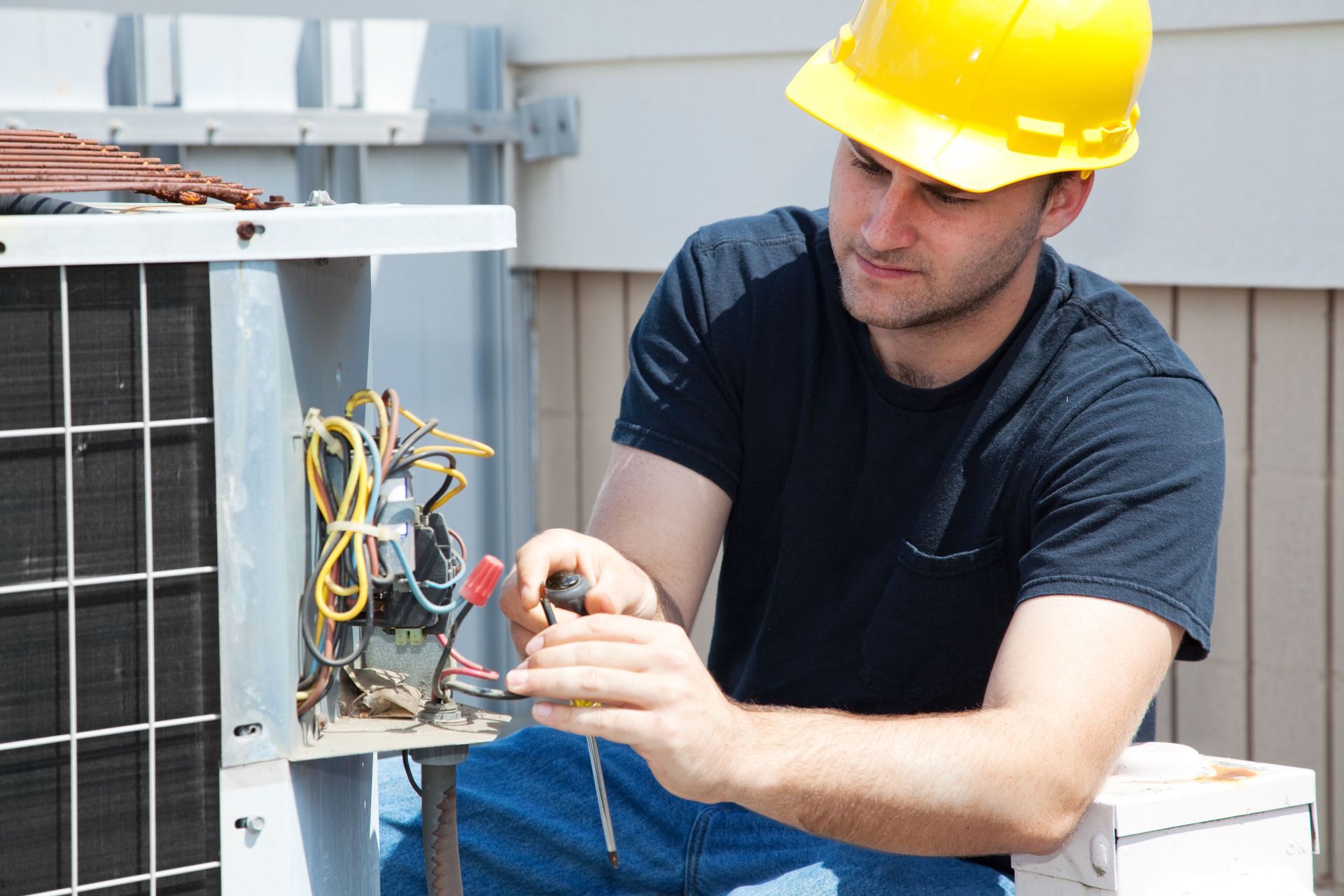
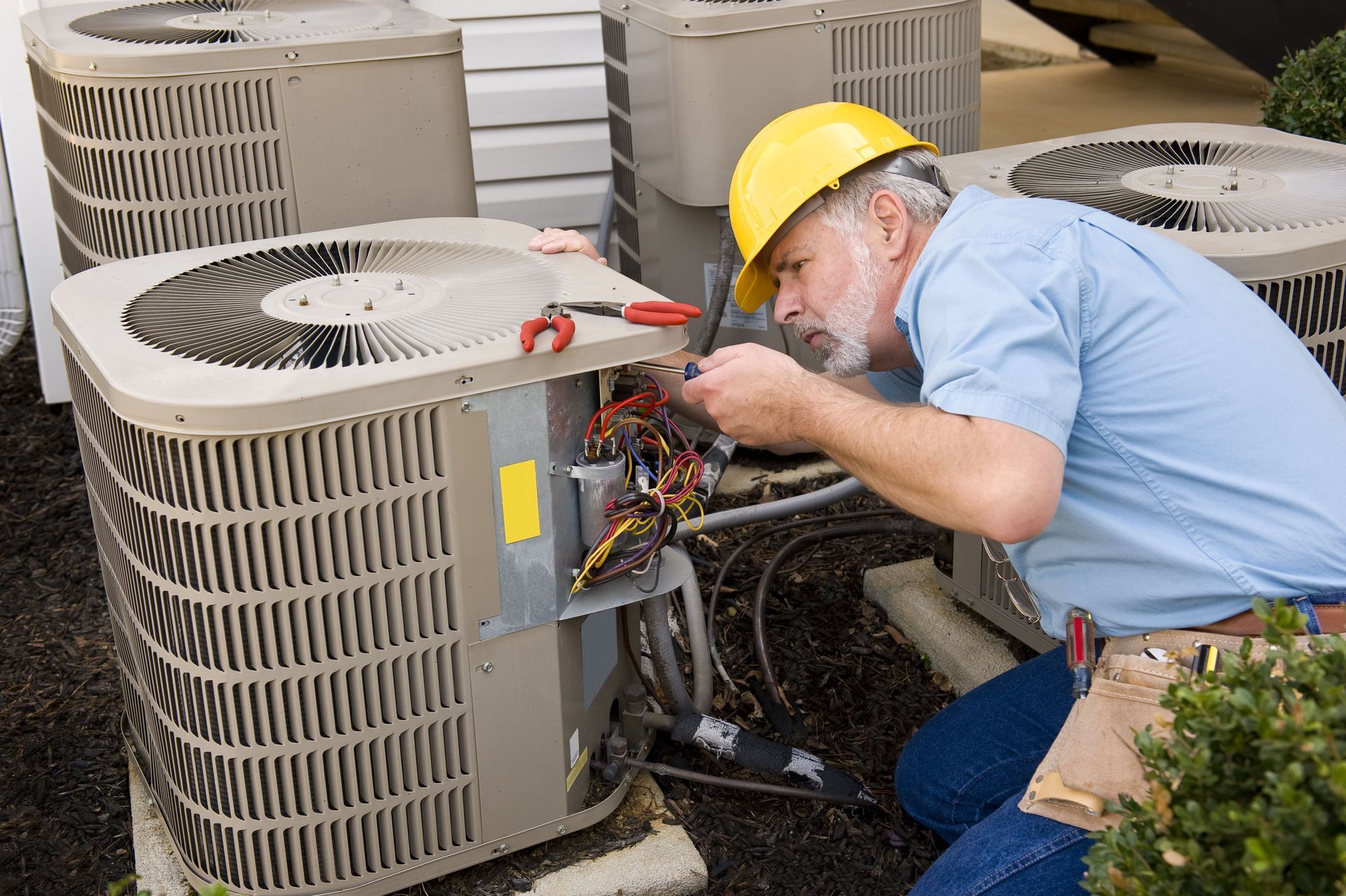
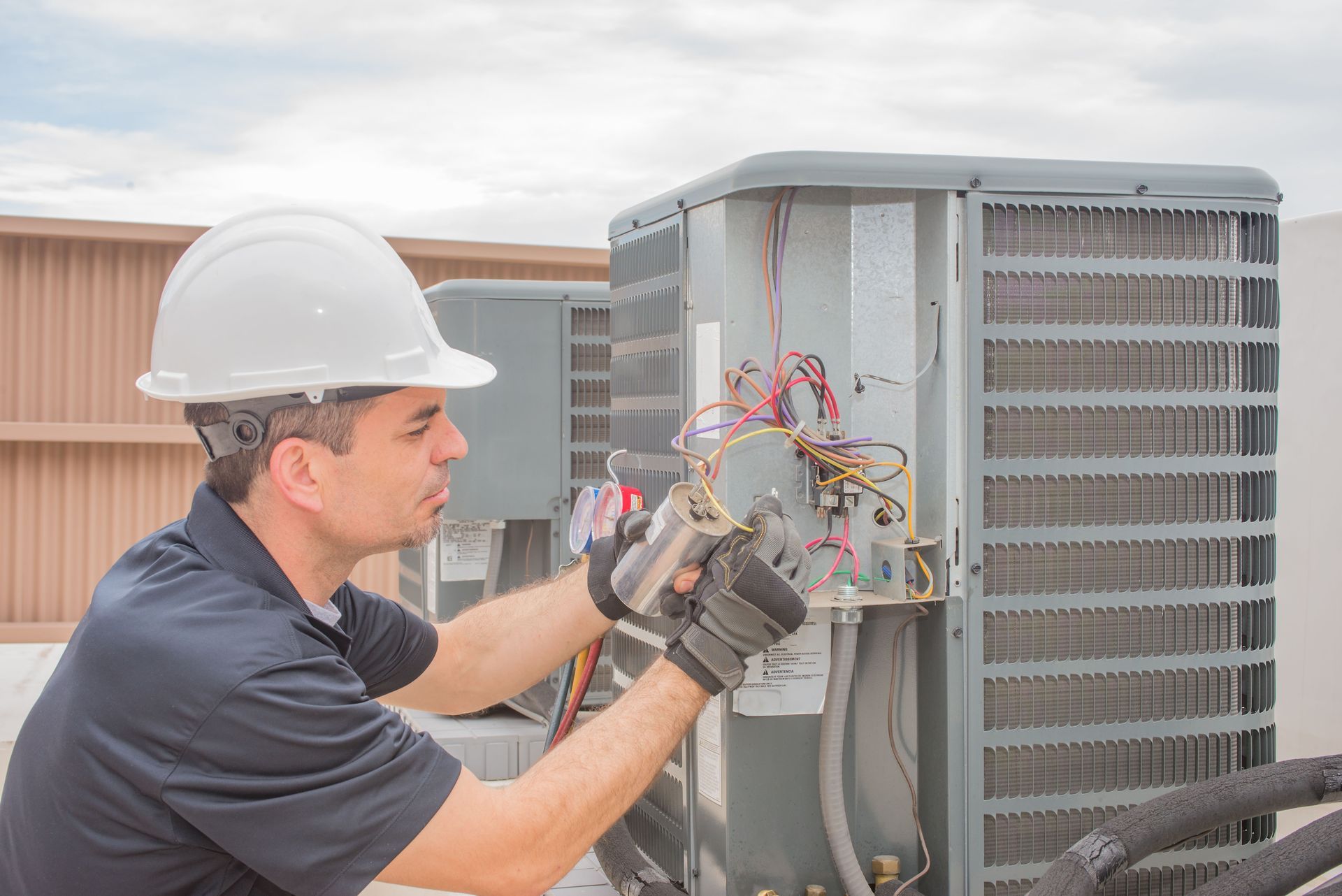
Electrical issues within HVAC systems often develop quietly but can quickly escalate into serious operational failures. Loose wiring, worn components, or moisture exposure can all lead to short circuits that disrupt system stability. These issues frequently result in HVAC repairs that could have been prevented with routine inspections.
System reliability is heavily dependent on consistent electrical performance. When electrical flow becomes unstable, the system may shut down unexpectedly or operate inconsistently. This not only affects comfort but also places additional stress on remaining functional components.
Safety is another major concern when dealing with electrical faults. Faulty connections increase the risk of overheating and potential system damage if left unresolved. Professional evaluation is essential to ensure safe and effective correction of these issues before they develop into larger failures.
6. Resolving Drainage Blocking
Drainage issues often begin with minor blockages that gradually impact system performance and indoor air quality. When condensate drains become clogged, moisture can back up into the system, creating conditions that require HVAC repairs if not addressed quickly. This buildup can also lead to mold growth and structural damage over time.
Faulty drain pans or improper installation can worsen drainage problems by preventing proper water flow. When moisture is not properly directed away from the system, internal components may corrode or malfunction. Regular inspection helps prevent these issues from escalating.
Persistent drainage problems often require professional attention to fully resolve underlying causes. While basic maintenance can reduce risk, complex blockages may involve deeper system cleaning or component replacement. Addressing drainage early helps maintain system stability and prevents avoidable repairs.
7. Preventing Compressor Failing
Compressor issues represent some of the most costly and disruptive system failures in HVAC systems. Overheating is a common cause, often resulting from restricted airflow or refrigerant imbalance. When this occurs, the system experiences increased strain that may lead to complete shutdown.
Early warning signs include unusual noises, inconsistent cooling, or frequent system cycling. These indicators often signal internal stress that requires immediate attention. Ignoring them can significantly increase the likelihood of extensive HVAC repairs.
Preventative maintenance plays a key role in extending compressor lifespan. Ensuring proper airflow, maintaining refrigerant levels, and scheduling routine inspections can reduce strain and improve long-term performance. Consistent care helps avoid major system disruptions and costly replacements.
Addressing small HVAC issues before they escalate is one of the most effective ways to maintain system efficiency, reduce long-term costs, and prevent unexpected breakdowns. Many homeowners overlook how interconnected system components are, which often leads to delayed responses and more extensive repairs later on. Proactive maintenance remains the most reliable strategy for minimizing operational stress and extending equipment lifespan.
Recognizing early warning signs and responding quickly helps reduce unnecessary strain and improves overall system stability. From airflow restrictions to electrical inconsistencies, each issue contributes to performance decline if left unresolved, often leading to more costly HVAC repairs over time. Even small shifts in performance can signal developing problems that benefit from early attention. Staying ahead of these concerns supports both comfort and efficiency throughout the year while helping maintain long-term system reliability. For reliable service and professional support, contact Smith's Heating & Cooling.