By Logan Coffey
March 19, 2026
HVAC systems are more than tools for regulating temperature—they are essential for maintaining a safe and healthy indoor environment. By filtering and circulating air, these systems help reduce exposure to dust, allergens, and harmful particles that can impact both short-term comfort and long-term health. Properly designed HVAC systems also control humidity levels, which prevents mold growth and reduces the proliferation of bacteria and viruses, creating a cleaner and safer indoor atmosphere.
However, the effectiveness of any HVAC system depends on careful planning, professional installation, and ongoing maintenance. Neglecting these critical steps can result in poor airflow, uneven heating or cooling, and the circulation of contaminants such as mold spores, pollen, or chemical residues throughout the building. Over time, these issues can contribute to respiratory problems, allergy flare-ups, and reduced overall comfort.
Working with a skilled HVAC company guarantees that your system operates efficiently and consistently delivers clean, filtered air to every corner of your home or office. A qualified professional evaluates ventilation patterns, identifies problem areas, and recommends solutions tailored to the unique needs of your space. By addressing potential weak points in the system, the HVAC company prevents pollutants from accumulating and ensures a healthier indoor environment for all occupants.
Identifying Common Sources of Indoor Air Pollution
Indoor air pollution can originate from numerous sources, both visible and hidden. Household dust, pet dander, cleaning chemicals, and tobacco smoke are familiar contributors. Less obvious sources include combustion appliances, building materials, and poorly ventilated areas that trap pollutants. According to the World Health Organization, around 2.1 billion people worldwide, around a third of the global population, cook using open fires or inefficient stoves fuelled by kerosene, biomass, and coal, which generates harmful household air pollution. Beyond cooking, poor ventilation and high humidity can also exacerbate indoor air problems by promoting mold growth. Understanding the sources of indoor pollution helps HVAC professionals recommend systems and filters tailored to specific challenges, such as HEPA filters for fine particles or UV lights to neutralize microbes.
Ensuring Proper Installation for Maximum Efficiency
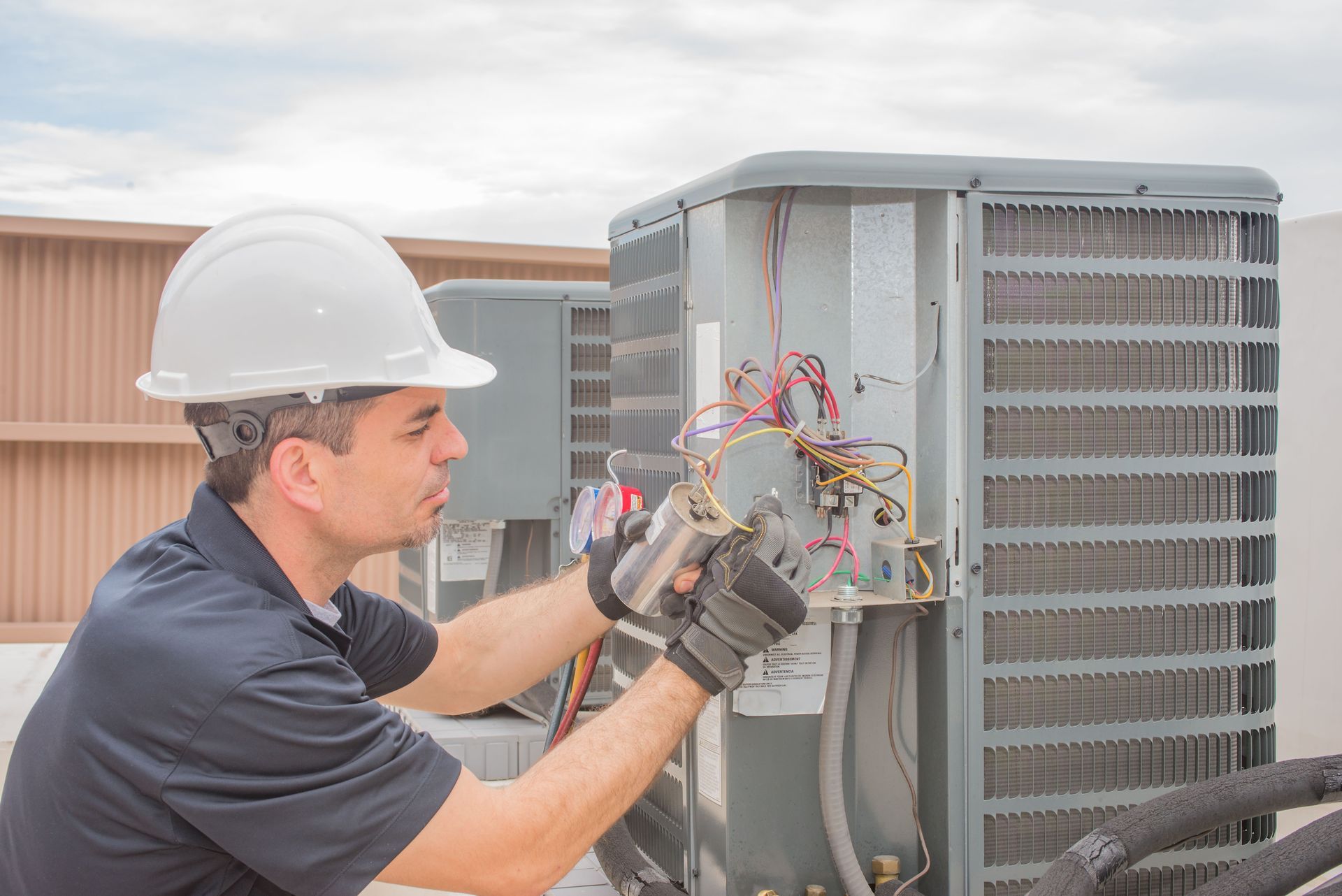
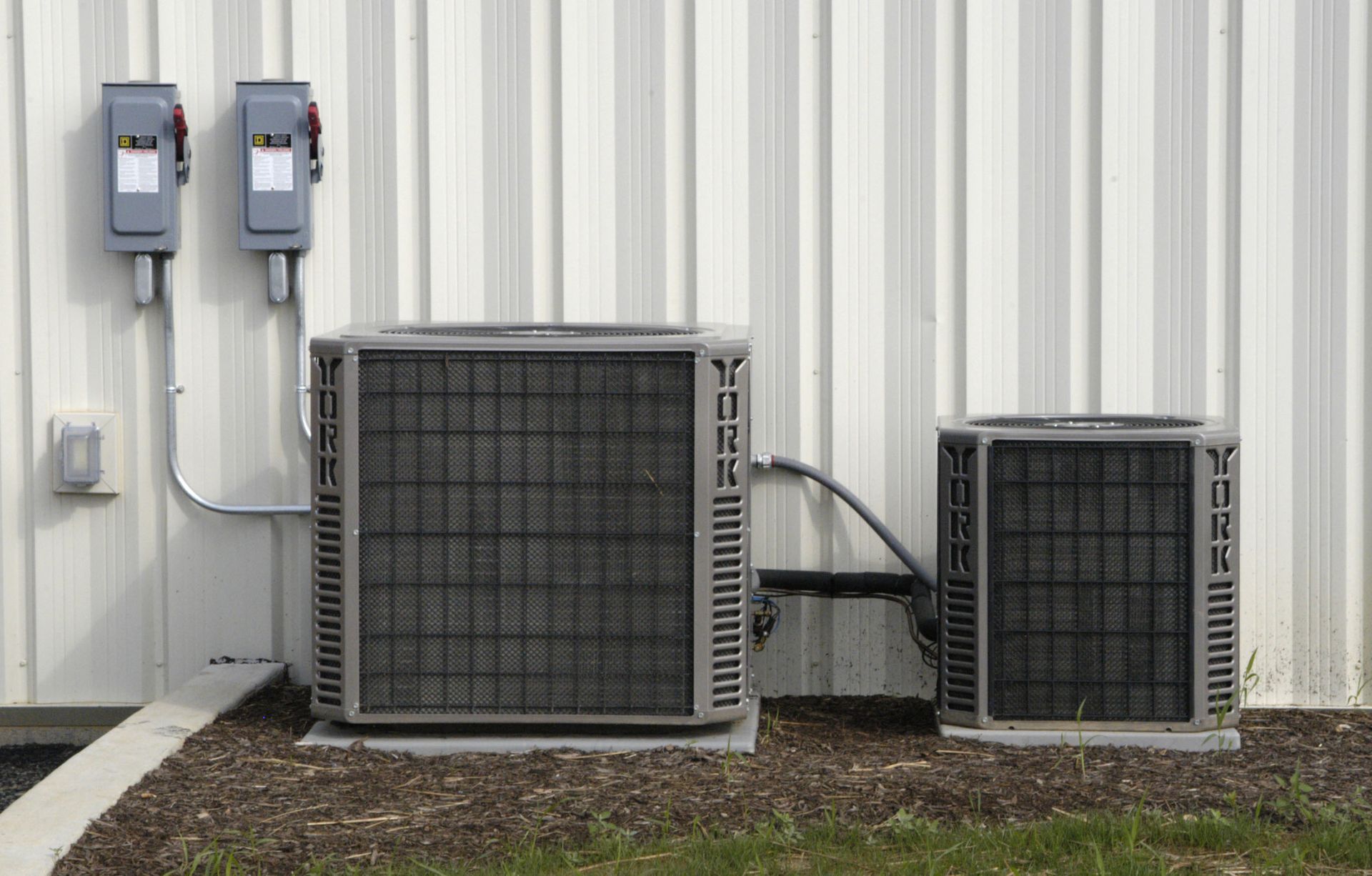
Even the most advanced HVAC systems cannot improve air quality if installed incorrectly. A professional HVAC company evaluates your building layout, airflow patterns, and existing ventilation infrastructure before recommending equipment. Proper installation allows the system to reach every corner of your space and eliminates stagnant zones where pollutants might accumulate. Incorrect installation can also result in energy inefficiency, increased wear on components, and uneven heating or cooling. A well-designed system provides consistent temperature and humidity control, reducing the risk of mold growth and enhancing comfort. Installation also includes proper sealing of ducts and connections to prevent leaks, which can otherwise allow contaminated air to circulate or reduce system efficiency.
Conducting Regular Maintenance for Cleaner Air
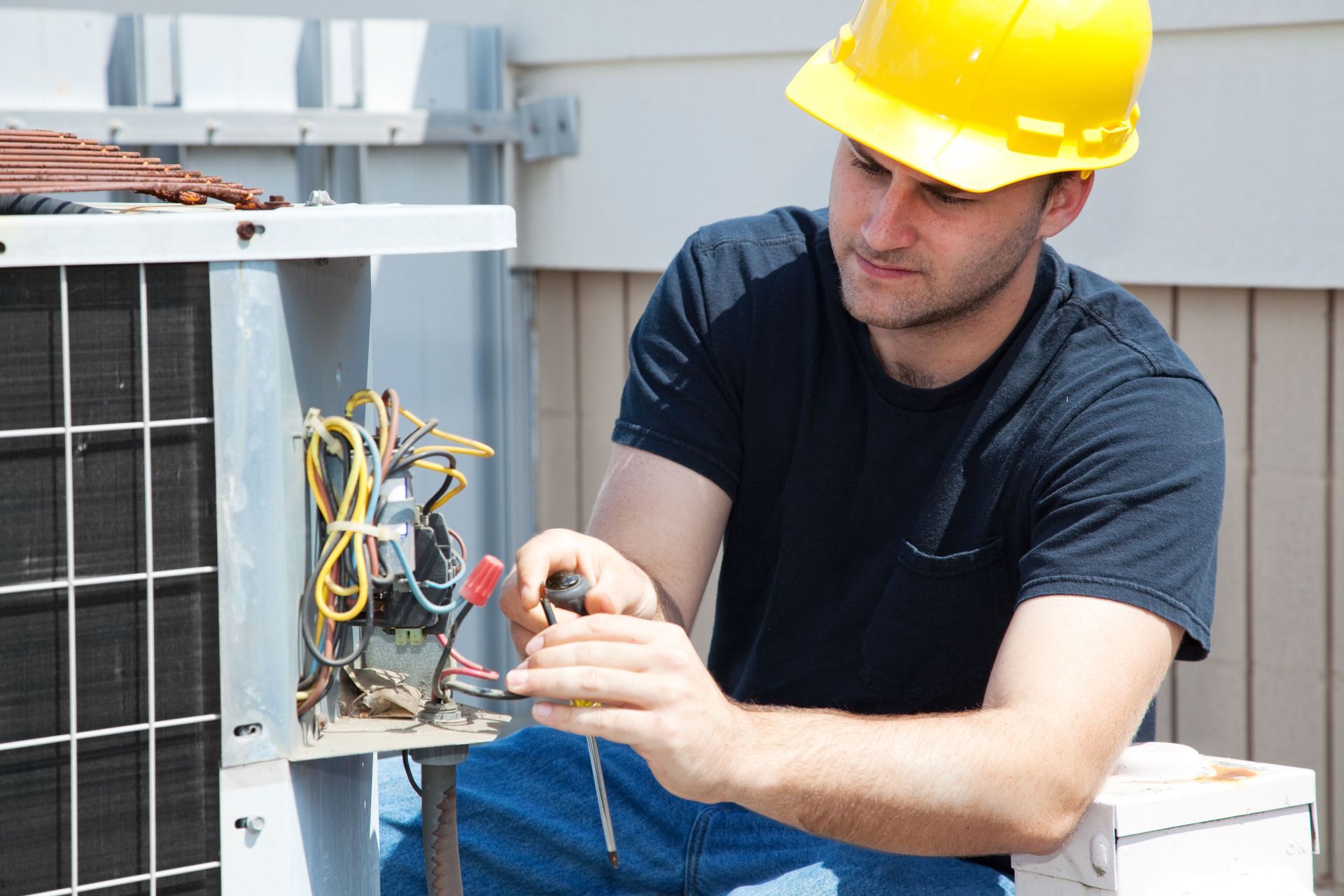
Routine maintenance is critical to maintaining high indoor air quality. Filters must be replaced, coils cleaned, and ducts inspected for blockages or damage. Neglecting these tasks allows dust, mold, and other pollutants to circulate freely, potentially harming occupants' health. A reputable HVAC company offers seasonal inspections, deep cleaning, and diagnostic services to address potential problems before they become costly emergencies. In addition to cleaner air, maintenance extends the lifespan of your HVAC system, improves energy efficiency, and reduces unexpected repair costs. Some companies also provide monitoring systems that alert homeowners when performance declines, enabling proactive maintenance before air quality deteriorates.
Integrating Advanced Filtration and Purification Technologies
Modern HVAC systems can incorporate advanced filtration and purification technologies to significantly improve indoor air quality. HEPA filters capture microscopic particles such as pollen and dust mites, while ultraviolet light systems neutralize bacteria, viruses, and mold spores. Electrostatic air purifiers trap airborne particles using electrically charged filters, improving overall air cleanliness. Integrating these systems with an HVAC unit requires technical knowledge to establish proper airflow and compatibility with existing equipment. A knowledgeable HVAC company confirms these technologies function correctly, delivering measurable improvements to indoor air. Homes with infants, elderly residents, or individuals with respiratory conditions benefit particularly from these enhancements, reducing risks of infection or allergic reactions.
Improving Energy Efficiency While Maintaining Air Quality
Energy efficiency and air quality are not mutually exclusive. Modern HVAC systems can be designed to deliver both optimal indoor air quality and reduced energy consumption, making them an important investment for homes and businesses. Efficient systems maintain consistent airflow, stable humidity, and high-performance filtration, ensuring that indoor spaces remain comfortable and safe.
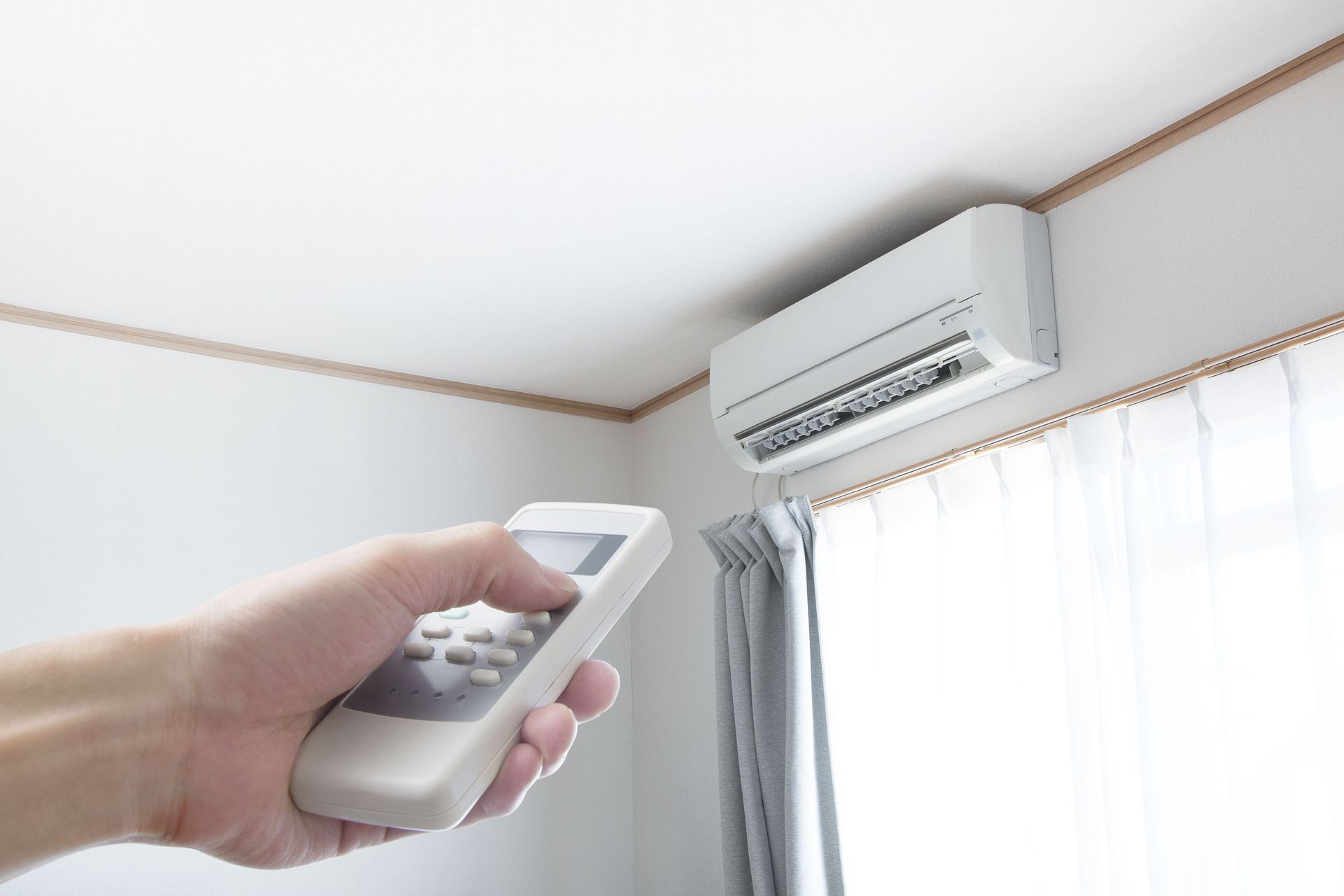
Features such as variable-speed blowers, programmable thermostats, and smart sensors allow the system to adjust dynamically, optimizing performance for both comfort and air cleanliness. An HVAC company that emphasizes energy-conscious solutions can assess your specific needs, recommend upgrades, and implement strategies that minimize energy use without compromising indoor air quality.
Maintaining proper humidity and temperature levels helps prevent mold growth, reduces dust mite populations, and keeps occupants comfortable year-round. A well-designed energy-efficient system balances operational costs with cleaner, healthier air, offering long-term benefits for both health and the environment. By combining sustainability with performance, these systems also contribute to lower utility bills and a smaller carbon footprint, making them a responsible choice for modern buildings.
Supporting Health Through Cleaner Indoor Air
Clean indoor air has a direct impact on physical and mental well-being. Reducing exposure to allergens, particulate matter, and harmful gases can prevent respiratory problems, improve sleep quality, and even enhance focus, mood, and overall productivity. Children, elderly individuals, and those with preexisting conditions are especially sensitive to indoor pollutants, making careful air quality management crucial. Partnering with a skilled HVAC company affirms that your home or workplace is protected with proper ventilation, high-quality filtration, and advanced air purification measures. Clean air reduces the risk of infections, chronic conditions, and allergy flare-ups while providing a more comfortable, healthier, and productive environment. In addition, well-maintained HVAC systems reduce unpleasant odors, limit airborne contaminants, and create a consistently fresh and revitalizing indoor atmosphere.
Selecting the Right HVAC Company for Your Needs
Choosing the right HVAC company is about more than price—it is about skill, reliability, and long-term support. Look for certified technicians, extensive experience, and a proven record of handling diverse systems, from traditional units to advanced, energy-efficient setups. A reputable provider conducts a thorough assessment, recommends tailored solutions, and offers ongoing maintenance plans that include inspections, filter replacements, and system diagnostics. This level of service assures that indoor air quality is consistently high, equipment runs efficiently, and small issues are addressed before they escalate into costly repairs. Investing in the right professional not only protects your health but also maximizes the lifespan of your HVAC system, improves overall comfort, and saves both time and money in the long run.
Maintaining optimal indoor air quality is essential for health, comfort, and overall well-being. Poor air quality can contribute to respiratory issues, allergy flare-ups, fatigue, and decreased productivity, making it critical for homeowners and businesses to prioritize clean air. Addressing these challenges requires not only the right equipment but also regular maintenance and professional knowledge to confirm systems perform at their best.
By working with a professional HVAC company, property owners can be sure that systems are installed correctly, maintained consistently, and upgraded with advanced filtration and purification technologies when needed. Professional oversight certifies that airflow, humidity, and filtration meet the specific needs of the building, reducing the circulation of dust, allergens, and other harmful particles.
These measures help minimize health risks, reduce exposure to pollutants, and create a more comfortable, safe, and productive indoor environment. For professional solutions and reliable support, contact Smith's Heating & Cooling today to see how our experienced HVAC company can enhance your indoor air quality, optimize system performance, and improve comfort throughout your home or workplace!